STAMP Institute Highlights Systemic Risk at International MedTech Safety Conference
BOSTON, MA — STAMP Institute team members recently joined healthcare leaders and regulatory authorities at the International MedTech Safety Conference to discuss the future of medical device standards. Throughout the event, a definitive theme emerged: the medical technology industry is rapidly shifting toward safeguarding systems as a whole.
FDA Keynote Aligns with STAMP Paradigm
In her keynote address, Dr. Michelle Tarver, Director of the FDA’s Center for Devices and Radiological Health (CDRH), emphasized the concept of “Safety as a System”. This framing directly aligns with the core STAMP framework, which treats safety as an emergent property of an entire system rather than a factor isolated to individual components.
STPA Tutorial Addresses Autonomous Device Risks
STAMP Institute’s John Thomas, alongside Brent Bailey of 8i Robotics, conducted an STPA (System-Theoretic Process Analysis) tutorial using a robotic knee surgery system as a case study.
The well-attended session demonstrated how STPA isolates risks inherent to autonomous, high-consequence medical devices. Specifically, it highlighted how traditional risk models leave gaps when software and hardware are tightly coupled, allowing unsafe system states to occur even when every individual component meets its exact specifications.
Growing Industry Demand
Senior engineering and quality leaders at the conference expressed a growing interest in analytical tools that catch unsafe component interactions early in the development lifecycle, rather than relying on retrospective catalogs of part failures.
STAMP Institute extends its thanks to the organizers and the engaged attendees whose forward-thinking questions will continue to inform the Institute’s ongoing research and industry collaboration.
Announcement
STAMP Institute Joins Global Safety Leaders at the 12th European STAMP Workshop in Prague
The STAMP Institute team recently returned from an inspiring trip to Prague, Czech Republic, for the 12th European STAMP Workshop and Conference (ESWC), held April 22–24. This year’s event was positioned alongside the 25th New Trends in Civil Aviation Conference, creating a rich environment for cross-industry safety innovation.
Expertly Hosted and Organized: The event was hosted by the Czech Technical University (CTU) in Prague. We would like to extend our sincere gratitude to Natalja Guskova, Jakub Kraus, Vladimir Socha, and their amazing team for their seamless organization and hospitality. The conference was proudly sponsored by the German Aerospace Center (DLR) and Embry-Riddle Aeronautical University.
Highlights from the Program: The proceedings kicked off with hands-on pre-workshop activities led by Dr. John Thomas, MIT Instructor and Founder of the STAMP Institute. Dr. Thomas also delivered a powerful keynote address: “Research to Reality: An Evidence-Based Look at STAMP in Action”
Industry Insights: Our team was privileged to learn from a diverse lineup of experts.
Some of the Organizations That Presented
HelleniQ Energy
Prague Airport
Airbus Protect
Aero Vodochody AEROSPACE
We were deeply moved by the warmth of the people in Prague and the high level of technical discourse.
Announcement
Dr. John Thomas Led STPA Standards Development at SAE Dublin
STAMP Institute is proud to announce that Dr. John Thomas attended the SAE International Meeting in Dublin April 27–30. Dr. Thomas leads the AIR6913 initiative, defining how STPA (System-Theoretic Process Analysis) supports mandatory certification requirements for aircraft manufacturers.
Modernizing Aviation Certification
As aircraft systems grow more complex, the standard approaches to certification are expanding to address new challenges like autonomy and human oversight. Dr. Thomas is championing STPA within the ARP4761 framework.
Goals for STPA in ARP4761
Address Systemic Risks: Identify hazards caused by complex autonomy and functional interactions.
Streamline Standards: Establish an efficient, top-down safety foundation for global manufacturers.
“Integrating STPA into the established ARP4761 framework is vital for shifting the industry toward a comprehensive system safety approach that addresses both component reliability and complex functional interactions.” — Dr. John Thomas
Announcement
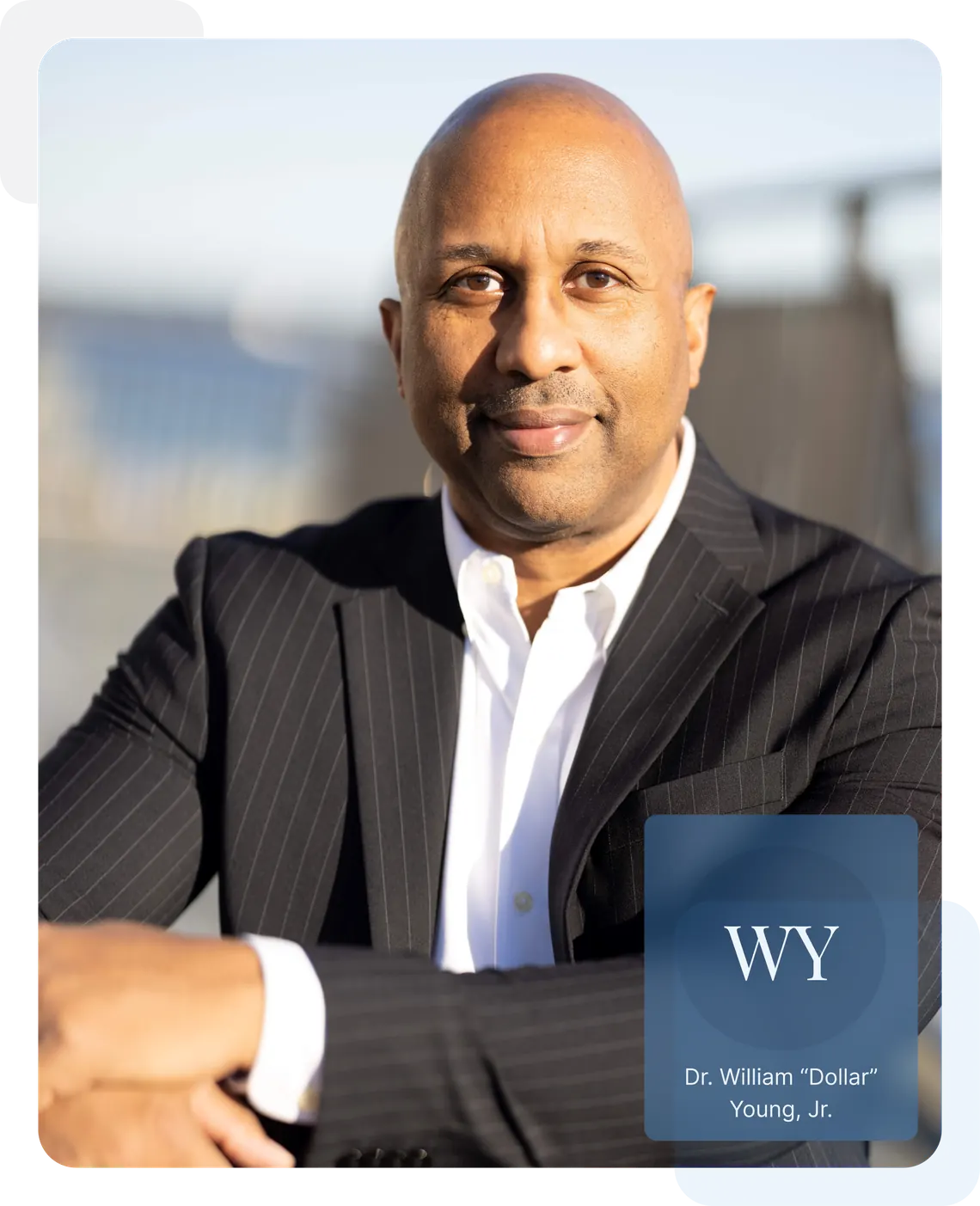
STAMP Institute Welcomes Dr. William “Dollar” Young, Jr.
We are proud to announce that Dr. William “Dollar” Young, Jr. has joined STAMP Institute. A retired USAF Colonel and MIT PhD, Dr. Young is a premier strategist in electronic warfare and a pioneer in applying system-theoretic approaches to global defense challenges.
Dr. Young recently served as the foundational commander of the 350th Spectrum Warfare Wing, leading 2,500 personnel in delivering AI-driven electromagnetic capabilities. As the creator of STPA-Sec and FMA-C, he transformed security from a perimeter-defense mindset into a design-led feedback control problem. His methods are now integrated into critical national standards like NIST SP 800-160.
In addition to his work with STAMP, Dr. Young is an Associate Research Professor at Syracuse University and a member of DARPA’s ISAT Study Group.
Dr. Young’s Career Highlights
Association of Old Crows (AOC) Gold Medal: The highest international honor for advancing Electronic Warfare.
Systems Pioneer: Developed the security frameworks used for the USAF’s Sentinel ICBM.
Combat Veteran: Instructor Electronic Warfare Officer with over 2,500 flying hours.
“Dr. Young’s operational depth and his role in creating STPA-Sec provide our partners with a unique advantage in securing the next generation of autonomous systems.” — John Thomas
Please join us in welcoming “Dollar” to the team as we continue to advance the frontiers of system safety and security.
STAMP Workshops
MIT STAMP Workshop
The MIT STAMP Workshop held this March was a resounding success, drawing a crowd of over 240 safety leaders from across the globe. Experts from aviation, automotive, maritime, internet, and other high-risk industries met to share their practical experience and successes with STAMP-based methods. The event highlighted the growing international shift toward system-theoretic approaches, with attendees presenting case studies on how STAMP-based methods are being used to manage the complexities of modern, software-intensive systems. The diverse range of industries represented underscores the universal applicability of these tools in ensuring safety and security in today’s interconnected world.
European STAMP Workshop
The momentum continued this spring at the 12th annual European STAMP Workshop, held April 22–24 in conjunction with the New Trends in Civil Aviation conference. Hosted in a hybrid format, the event remains the premier gathering for European safety and security professionals.
We were honored that Dr. John Thomas, Founder and Lead Instructor of the STAMP Institute, served as the Keynote Speaker. Dr. Thomas shared his latest insights on the evolution of System-Theoretic Process Analysis (STPA) and its critical role in the engineering of trustworthy, complex systems.
The 12th Annual European STAMP Workshop
Dr. John Thomas
April 22–24
Seasoned practitioners and newcomers to the methods joined for three days of world-class presentations, tutorials, and networking.
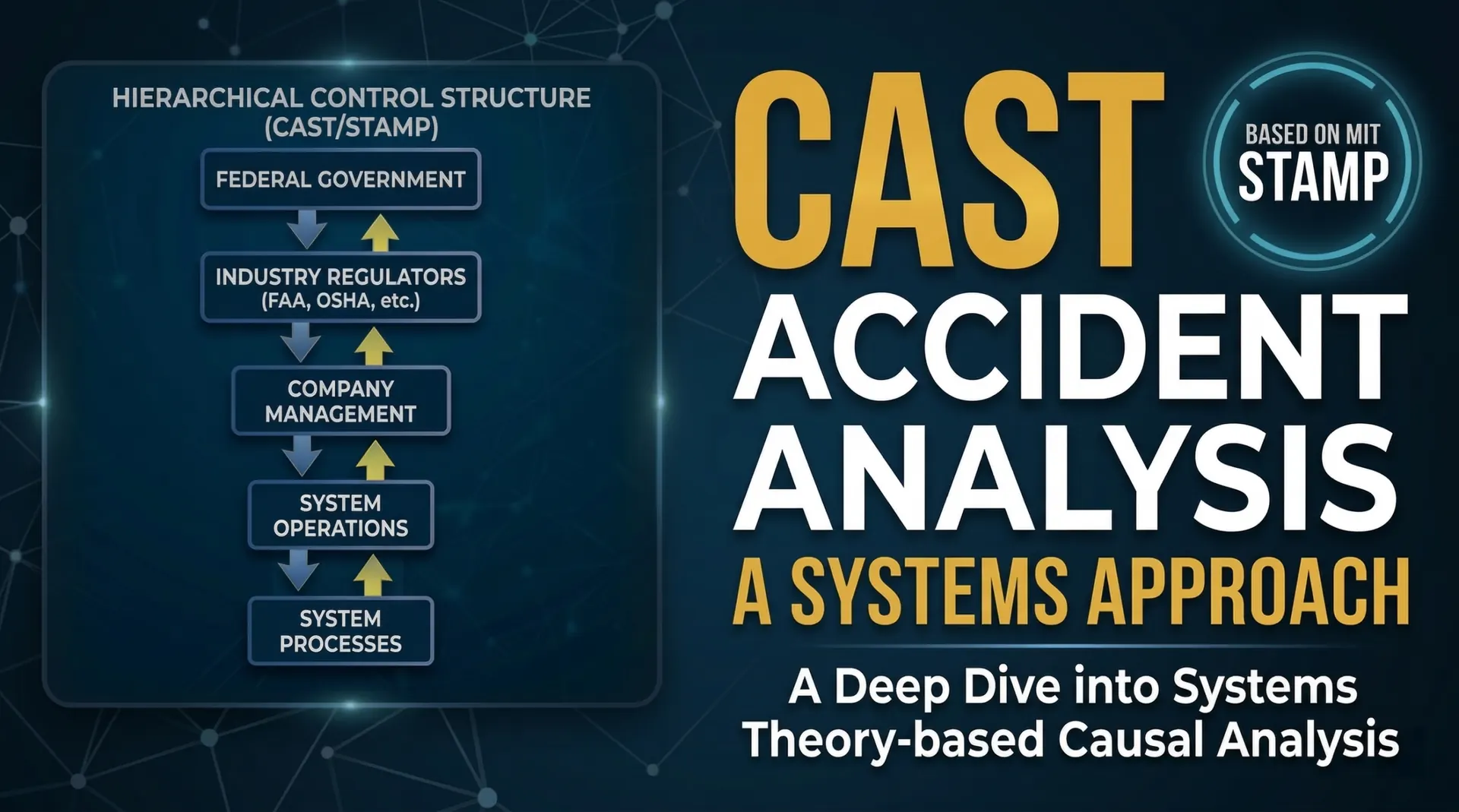
NEW TRAINING: STAMP Institute Launches Virtual CAST Class
We are excited to announce that STAMP Institute is now offering a comprehensive Virtual CAST (Causal Analysis based on Systems Theory) Class. This new online format brings our world-class accident analysis training directly to your desk, making it easier than ever for safety professionals to master modern forensic techniques.
Why CAST?
Traditional accident investigation methods often focus on finding a single root cause or blaming human error. CAST shifts the focus, treating accidents as a breakdown in system control. By using CAST, investigators can identify the systemic factors, design flaws, and organizational pressures that allowed a mishap to occur. Those findings lead to more effective long-term safety recommendations.
Course Highlights:
Comprehensive Curriculum: Learn the step-by-step process of modeling safety control structures and identifying why controls failed.
Expert Instruction: Guided by industry leaders in system safety.
Flexible Learning: Designed for busy professionals in all high-risk industries.
Practical Application: Work through real-world case studies to build immediate proficiency.
Join Waiting List
Whether you are an investigator, safety manager, or systems engineer, this course provides the tools necessary to move beyond “blame” and toward true systemic improvement.
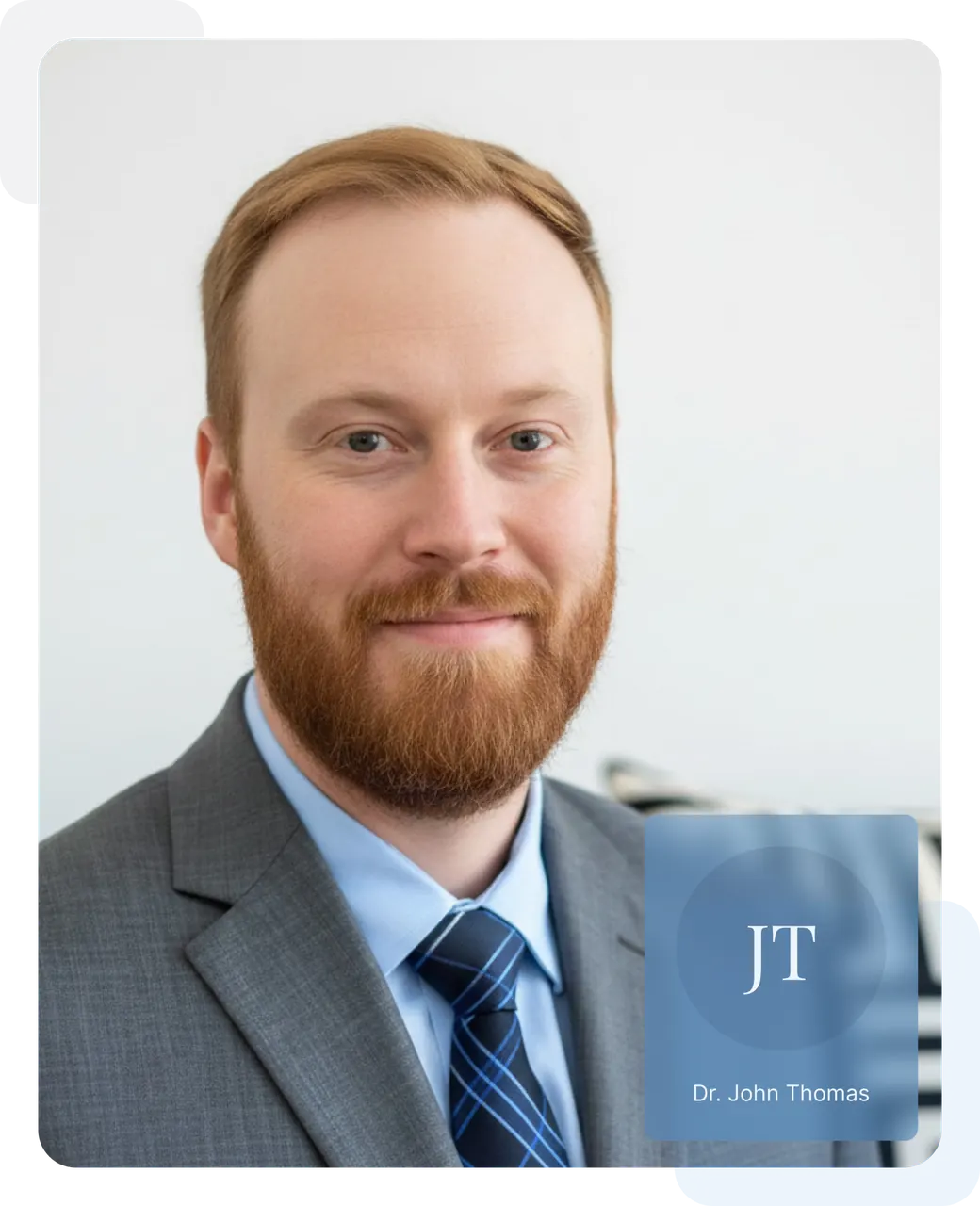
STAMP Institute President John Thomas Honored with 2026 MIT Teaching with Digital Technology Award
The STAMP Institute is thrilled to announce that our President, Dr. John Thomas, has been awarded the 2026 Teaching with Digital Technology Award by the Massachusetts Institute of Technology (MIT).
Dr. Thomas, who serves as a faculty member and Executive Director in MIT’s Department of Aeronautics and Astronautics, was selected for this prestigious honor following a nomination process led entirely by his students.
The Teaching with Digital Technology Awards are student-nominated honors given to MIT instructors who have used digital tools to significantly enhance their students’ learning experience. These awards recognize instructors who innovate in the classroom and demonstrate a deep commitment to student success through creative and effective digital pedagogy.
At STAMP Institute, we have long benefited from Dr. Thomas’s unique ability to translate complex systems engineering and safety concepts, such as STPA (System-Theoretic Process Analysis), into engaging, accessible digital formats. This award highlights his dedication to bridging the gap between advanced academic research and practical, industry-applicable education.
A Student-Driven Honor
The most meaningful aspect of this award is that it originated from the students themselves. In their nominations, students cited Dr. Thomas’s ability to use digital platforms to foster collaboration, simplify intricate system-safety theories, and provide hands-on learning opportunities that prepare them for the challenges of modern engineering.
“I am deeply honored to receive this recognition, especially because it comes from the students,” said Dr. Thomas. “My goal has always been to leverage technology to make safety-critical engineering more intuitive and impactful. Seeing students apply these methods to real-world problems is the ultimate reward.”
Celebrating Dr. Thomas’s Achievement
We invite the STAMP Institute community to join us in celebrating this remarkable achievement. Dr. Thomas’s work at MIT continues to inform the high-quality, expert-led instruction we provide to safety professionals worldwide.
To learn more about Dr. Thomas’s work and the courses he leads at the STAMP Institute, visit our Course Catalog.
Announcement
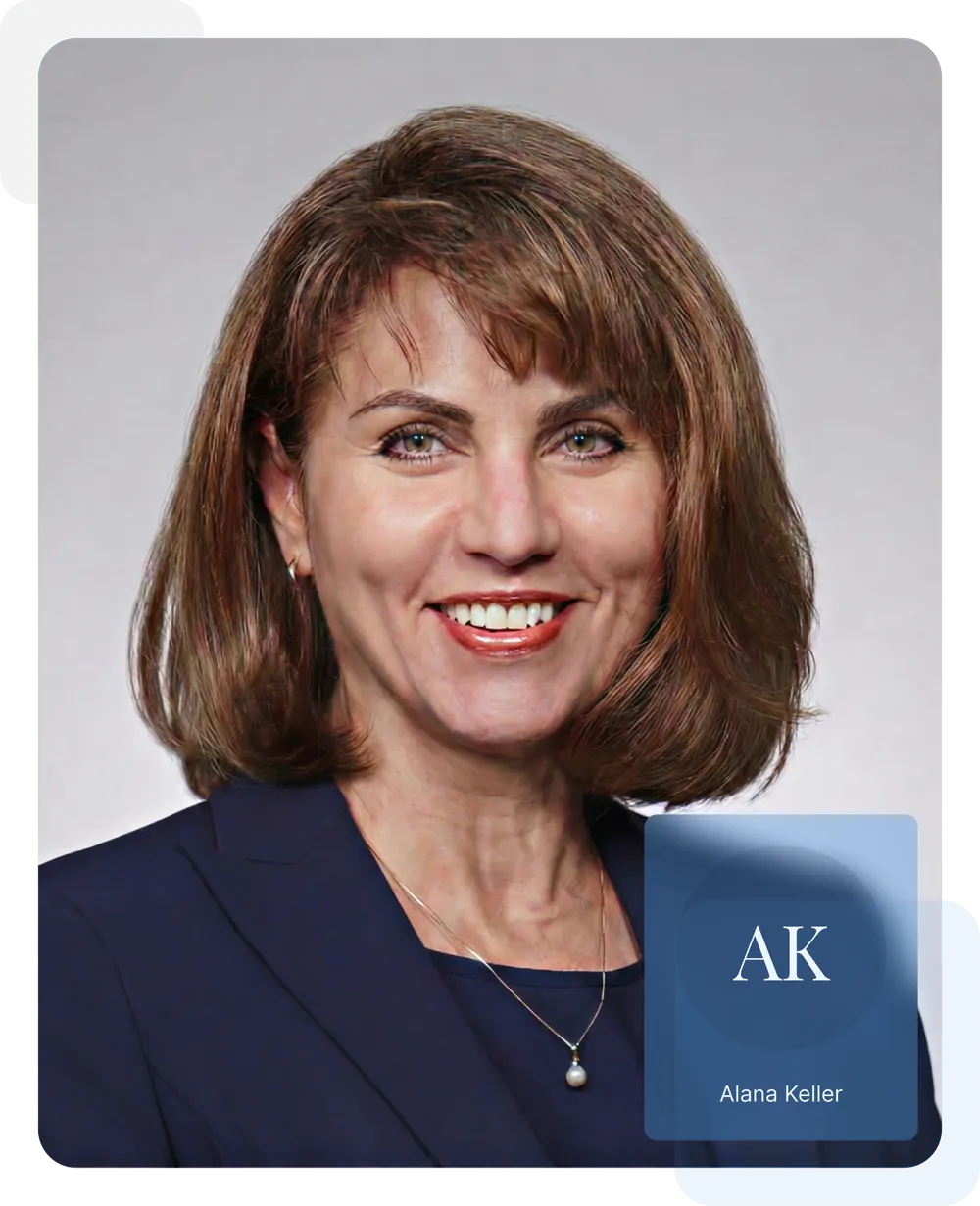
STAMP Institute Welcomes Alana Keller as Program Manager
STAMP Institute is pleased to announce the appointment of Alana Keller, MBA, PMP as Program Manager. Alana joins the STAMP Institute team with over 11 years of experience delivering exceptional service and cultivating strategic partnerships across government and commercial sectors, both domestically and internationally. Her professional background is distinguished by a proven track record of leading technical teams through the execution of highly complex initiatives. Alana holds a Bachelor of Arts in Communication from DePaul University in Chicago, Illinois and a Master of Business Administration from Longwood University in Farmville, Virginia.
In her capacity as Program Manager, Alana will leverage her Project Management Professional (PMP) expertise to advance STAMP Institute’s mission. We look forward to the contributions she will provide as we continue to lead the global standard for STAMP-based approaches.